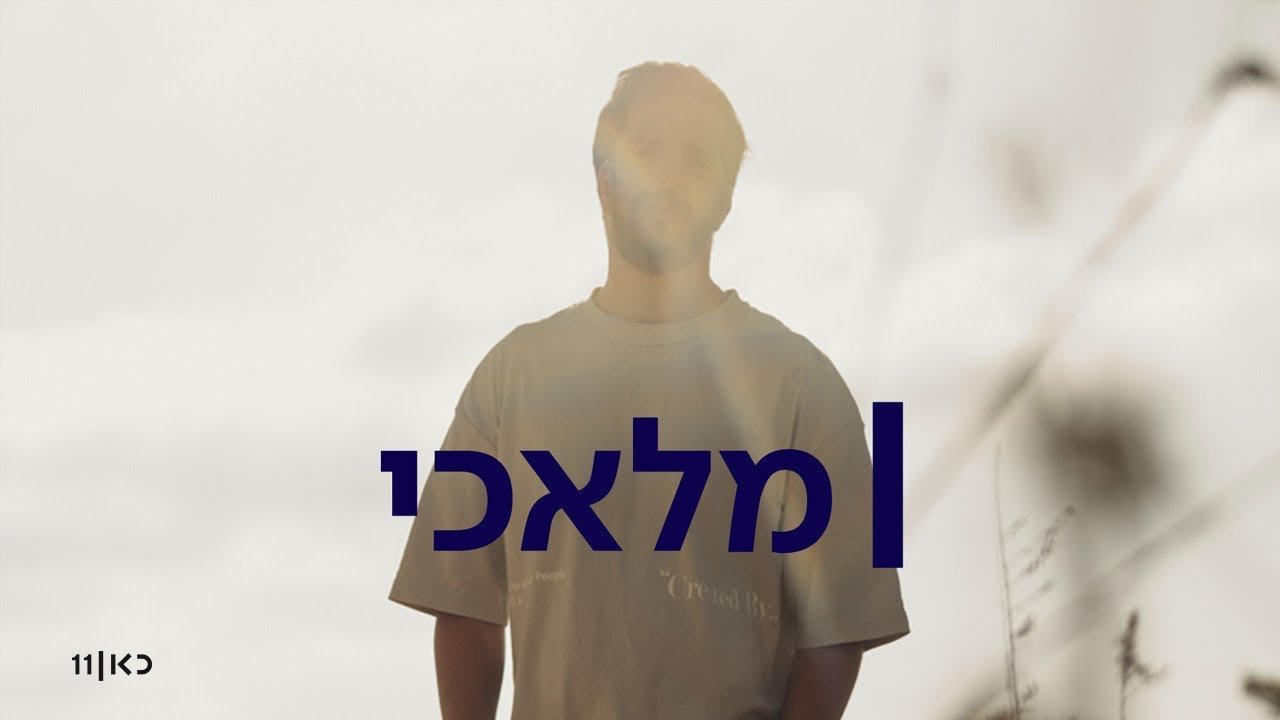
When he was born, a moment of new life turned into a great drama in seconds; a rare facial bone defect gave Malachi unusual features and broke everything his young parents thought they could bear. In the midst of the upheaval, they made the difficult and unimaginable decision – to leave their baby in the hospital. “Malachi” brings this story for the first time; a story about love, about heartbreak, and about the human ability to rise from it.
At the center of the film stands Batsheva, a dedicated midwife who decided with rare courage and compassion to take Malachi into her home as a foster family. Together with her partner Shlomo and their eight children, they gave him a home, an identity, and a new possibility, all in the face of an almost endless series of surgeries, treatments, social difficulties, and major questions of belonging.
Alongside the foster parents, the film also presents the biological parents, who appear with rare openness on screen and speak without walls about the pain, shame, and longing for atonement. Their words undermine the boundaries between love and heartbreak, between guilt and forgiveness, and confront the viewer with the inevitable question: What would I do in that situation?
All of this is combined with impressive animation that manages to illuminate crucial moments in Malachi’s life and open a window to the viewer into his emotional world, his thoughts, and his attempts to understand his life anew.
This is a film about difference, about accepting others, about the courage to choose goodness even when it is difficult, and about the possibility that love, in all its forms, can heal deep wounds.
“Malachi” provokes thought and moral questions, but above all, it manages to arouse compassion. It shows that life is much more complex than the choices we judge from the outside. And it leaves the viewer thrilled, agitated, and understanding a little better the broad boundaries of the human heart.